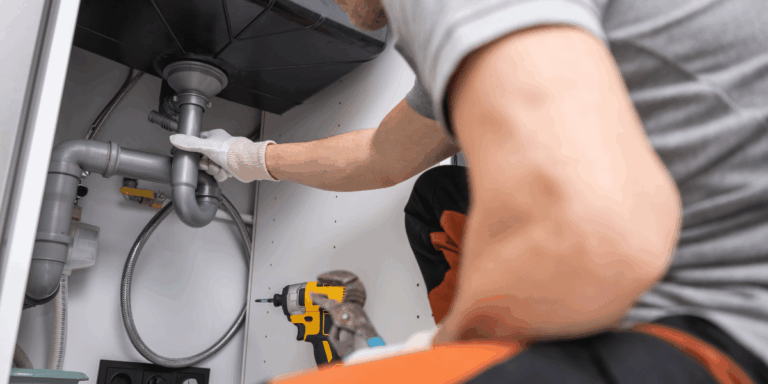

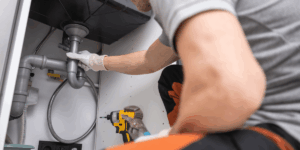

A resident notices water collecting beneath the kitchen sink and contacts the building’s management team. The problem may appear minor, but resolving it can involve several people: the resident reporting the issue, an on-site employee assessing the situation, a contractor completing repairs, and a property manager coordinating the work.
When communication is clear, everyone has a better understanding of what needs to happen. When information is incomplete or updates are missing, even a straightforward maintenance request can become frustrating.
This example illustrates why communication is an important part of residential property management.
Managing an apartment building involves maintaining facilities, coordinating services, answering questions, and supporting residents. Effective communication connects these responsibilities and helps property management teams respond more consistently.
Why Communication Matters in Residential Property Management
Residential buildings operate through ongoing interactions between residents, property managers, maintenance employees, and outside service providers.
Each group has different responsibilities, but their work frequently overlaps.
For example, residents need to know how to report concerns, while maintenance teams require accurate information about the problems being reported.
Property managers must then coordinate appropriate responses and communicate relevant updates.
Establishing Clear Communication Channels
Residents should understand whom to contact for routine questions, maintenance requests, and urgent building concerns.
Communication arrangements may include telephone calls, email, in-person conversations, or approved digital services.
The most effective approach is not necessarily the most technologically advanced. It is one that residents can understand and use appropriately.
Coordinating Maintenance Requests and Repairs
Maintenance communication is particularly important because repair needs can involve several stages.
A resident reports a problem, building staff assess the situation, and additional work may be required.
Without clear coordination, important details can be missed.
Collecting Useful Information
A maintenance request should identify the affected area, describe the concern, and explain when the problem was noticed.
For example, reporting that a bathroom tap leaks continuously provides more useful information than simply requesting plumbing assistance.
Property management teams can then determine whether an inspection, routine repair, or specialized contractor is appropriate.
Residents should also understand which communication channels apply to emergencies.
Osgoode Properties provides rental information and resident support, including guidance on contacting site offices for work orders and using designated emergency contact procedures.
Clear instructions help residents report concerns through the appropriate channels.
Setting Realistic Expectations With Residents
Effective communication involves explaining what can reasonably be expected.
Not every maintenance problem can be resolved immediately.
Some repairs require replacement parts, specialized equipment, inspections, or access arrangements.
For example, a malfunctioning appliance may need professional assessment before a repair can be scheduled.
Explain What Happens Next
Residents benefit from understanding whether their concern has been received, whether an inspection is required, and what the next step involves.
When completion dates are uncertain, management teams should avoid making unsupported promises.
A practical update might explain that a contractor has been contacted and further scheduling information will follow when available.
Realistic communication cannot eliminate inconvenience, but it can reduce confusion about the process.
Sharing Building Notices and Important Updates
Apartment buildings occasionally require planned maintenance, inspections, or temporary changes to shared facilities.
Residents may need advance information about these activities.
For example, scheduled work involving a shared laundry room may affect household routines.
Similarly, maintenance affecting an entrance or elevator may require residents to make alternative arrangements.
Make Notices Easy to Understand
Building notices should communicate the purpose of the activity, relevant dates, affected areas, and any required resident action.
Information should be presented clearly without unnecessary technical language.
Depending on the building, notices may be shared electronically, displayed in designated areas, or delivered through other appropriate methods.
Property managers must also consider applicable provincial requirements concerning formal notices and access to rental units.
Managing Contractors and Service Providers
Residential property management often involves coordinating outside professionals.
Plumbers, electricians, cleaning contractors, landscapers, and other service providers may perform work within apartment buildings.
However, contractors cannot complete their responsibilities effectively without suitable information.
Communicating the Scope of Work
Property management teams should clarify what work is required, where it will take place, and whether access arrangements are necessary.
For example, a contractor repairing a shared entrance should understand the reported issue and any relevant building procedures.
Residents may also need information about temporary disruptions.
Clear coordination helps distinguish responsibilities between building staff, outside contractors, and property management.
It does not guarantee that every repair will proceed without unexpected complications.
Handling Resident Concerns Respectfully
Not every resident concern involves a technical maintenance problem.
Questions may relate to noise, shared spaces, parking arrangements, building policies, or interactions with neighbours.
These matters can be sensitive because residents may have different expectations and personal circumstances.
Listen Before Recommending Solutions
When a resident raises a concern, management representatives should first understand the situation.
For example, a complaint about noise may require additional information about the timing, location, and nature of the disturbance.
Responding respectfully does not mean automatically agreeing with every request.
It means acknowledging the concern, explaining relevant procedures, and assessing the circumstances fairly.
Personal information should also be handled appropriately when communicating about complaints involving other residents.
Supporting Communication Between On-Site Teams and Management
Communication within a property management organization is just as important as communication with residents.
On-site teams may be the first to identify maintenance problems or receive questions.
Management personnel may oversee budgets, contractor arrangements, operational priorities, and other responsibilities.
When information moves between these groups, important details should remain accurate.
Creating Clear Internal Responsibilities
Teams benefit from understanding who receives requests, who coordinates the next action, and who communicates updates.
For example, when a repair requires management approval, the responsible employees should know how that decision will be communicated.
Clear responsibilities can help prevent repeated requests or uncertainty about the next step.
These principles apply to residential management generally, regardless of a company’s particular internal systems.
Why Consistency and Follow-Through Matter
Communication becomes more useful when it is supported by dependable action.
Acknowledging a request is important, but residents also need to understand what happens afterward.
For example, if a repair requires a follow-up inspection, management teams should ensure that responsibility for arranging it is clear.
Closing the Communication Loop
A practical process can involve acknowledging the concern, identifying the responsible team, communicating relevant changes, and confirming when the matter has been addressed.
Documentation may help prevent information from being lost between staff members or service providers.
Osgoode Properties describes a commitment to combining established property management resources with personal attention through Osgoode Properties’ resident-focused management approach.
In residential property management more broadly, consistency and follow-through are important ways to translate communication into practical service.
Using Resident Feedback to Identify Improvements
Residents experience building operations through everyday activities.
Their observations may help property managers identify recurring concerns or opportunities to improve communication.
For example, repeated questions about a particular building procedure could suggest that the instructions need to be clearer.
Similarly, recurring maintenance reports involving the same area may deserve additional investigation.
Encourage Constructive Feedback
Feedback can be collected through direct communication, resident discussions, or other appropriate methods.
However, receiving feedback is only the first step.
Management teams should evaluate whether concerns require action and communicate relevant outcomes where appropriate.
The Canada Mortgage and Housing Corporation’s rental housing resources provide general information about landlord-tenant responsibilities, maintenance, and rental relationships.
These resources offer useful context for understanding the responsibilities that communication helps support.
Practical Ways to Strengthen Property Management Communication
Property managers can evaluate their communication practices by asking several questions:
- Accessibility: Do residents know how to contact the appropriate person?
- Clarity: Are building notices and instructions understandable?
- Coordination: Are maintenance responsibilities clearly assigned?
- Expectations: Are residents receiving realistic information about next steps?
- Follow-through: Are outstanding concerns reviewed appropriately?
- Feedback: Can residents raise questions and share observations?
- Consistency: Are important messages communicated accurately across teams?
These questions can help identify practical improvements without requiring complex technology or major operational changes.
Building Better Residential Experiences Through Communication
Successful residential property management requires coordination between people, processes, and physical building operations.
Clear communication helps residents understand their responsibilities, enables maintenance teams to assess concerns, and supports management when coordinating contractors and services.
However, communication alone cannot prevent equipment failures, unexpected repairs, or every disagreement between residents.
Its value lies in helping the people involved understand problems, responsibilities, and possible next steps.
By maintaining accessible communication channels, setting realistic expectations, and following through on reported concerns, property management teams can support more organized residential operations.
Ultimately, effective communication is not simply about responding to messages. It is about ensuring that information leads to appropriate action and that residents understand how their concerns are being addressed.